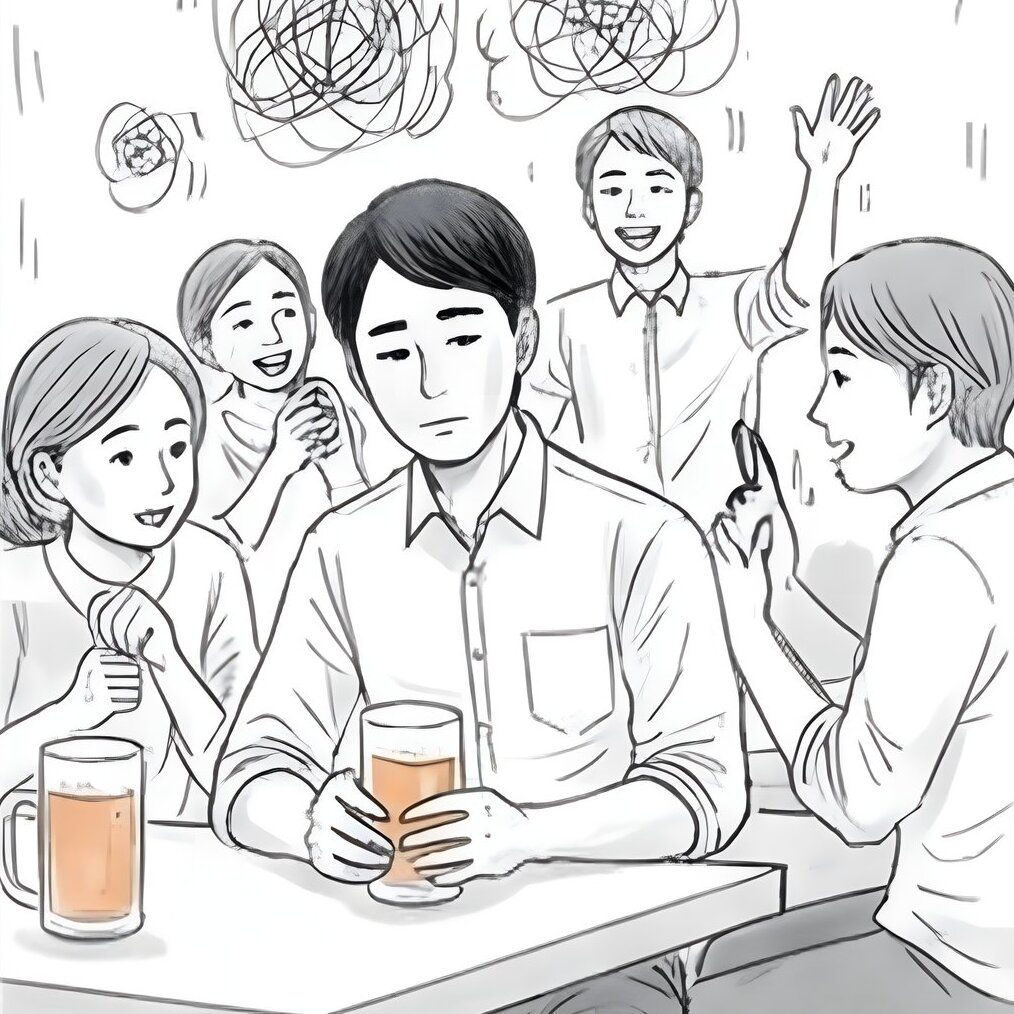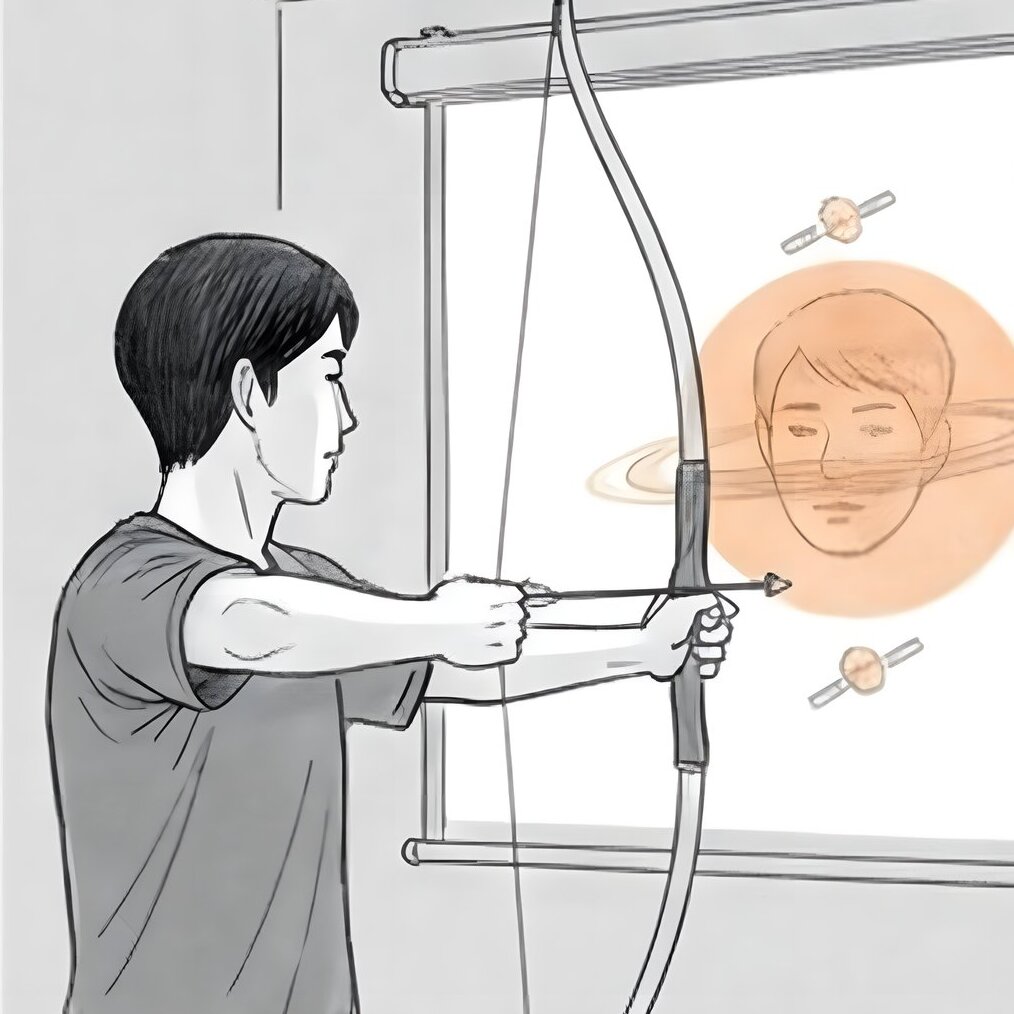
Bow Mind is an interactive installation, and also a reflection on how much of today’s technology pulls attention outward. In social life and in consumption, people drift from their own instincts and their own power to choose, and let the outside world define who they are. Heidegger called this Das Man, the They: we live by the habits of the crowd and stop asking what we ourselves think. This work tries to run that in the other direction, using technology to lead a participant inward.Bow Mind 是一件互動裝置,也是我對當代科技經常將注意力拉向外部世界的反思。人在社群互動與消費主義中,容易逐漸疏遠自己的本能感受與選擇權,任由外界定義自己的主體性。海德格用 Das Man(常人)來描述這種現象,指出人們往往依循群體的慣性生活,卻不再追問自己真實的想法。這件作品試圖反轉這個方向,讓科技成為引導參與者向內探索的媒介。
Merleau-Ponty’s phenomenology of perception drew my attention to the body: we are already engaging with the world before language and conscious thought intervene. Small changes in breathing or muscle tension became possible cues for interaction. Bow Mind turns sensed physiological signals into visual feedback, inviting participants to notice their own state as they shoot.梅洛龐蒂的知覺現象學讓我把注意力放在身體:在語言與認知介入之前,身體已經與世界互動。呼吸節奏、肌肉緊繃等平時不易察覺的變化,因此成為我選擇的互動線索。Bow Mind 將感測到的生理訊號轉為視覺回饋,讓參與者在射箭時留意自己的狀態。
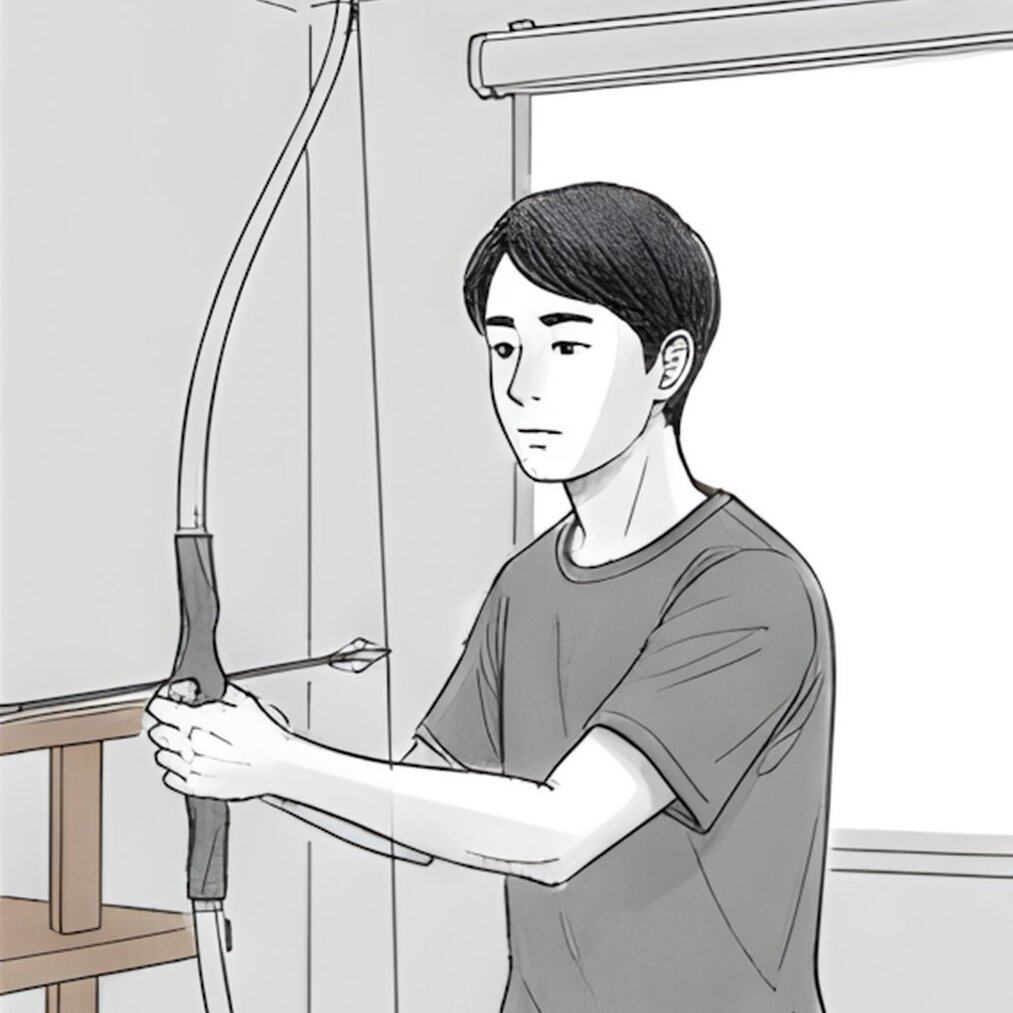
I chose archery because drawing, aiming, and releasing demand attention. The lingering posture after a shot, or zanshin, also leaves time to notice the body. The Stoic archer offers another perspective: an archer can do everything within their power to aim well, but cannot fully control whether the arrow hits. That distinction resonates with this work. The target gives each shot direction, while every draw and release belongs to the experience; hitting the center is only one part of it.我選擇射箭,因為拉弓、瞄準與放箭都需要專注,每一箭結束後的餘姿(殘心)也留下了覺察身體的時間。斯多葛學派以射手為喻:射手能盡力瞄準,卻無法完全掌握箭矢是否命中。這個分別也呼應了作品想呈現的經驗。靶心為每一箭指明方向,而每次拉弓與放箭也都是體驗的一部分,射中靶心只是其中一部分。